
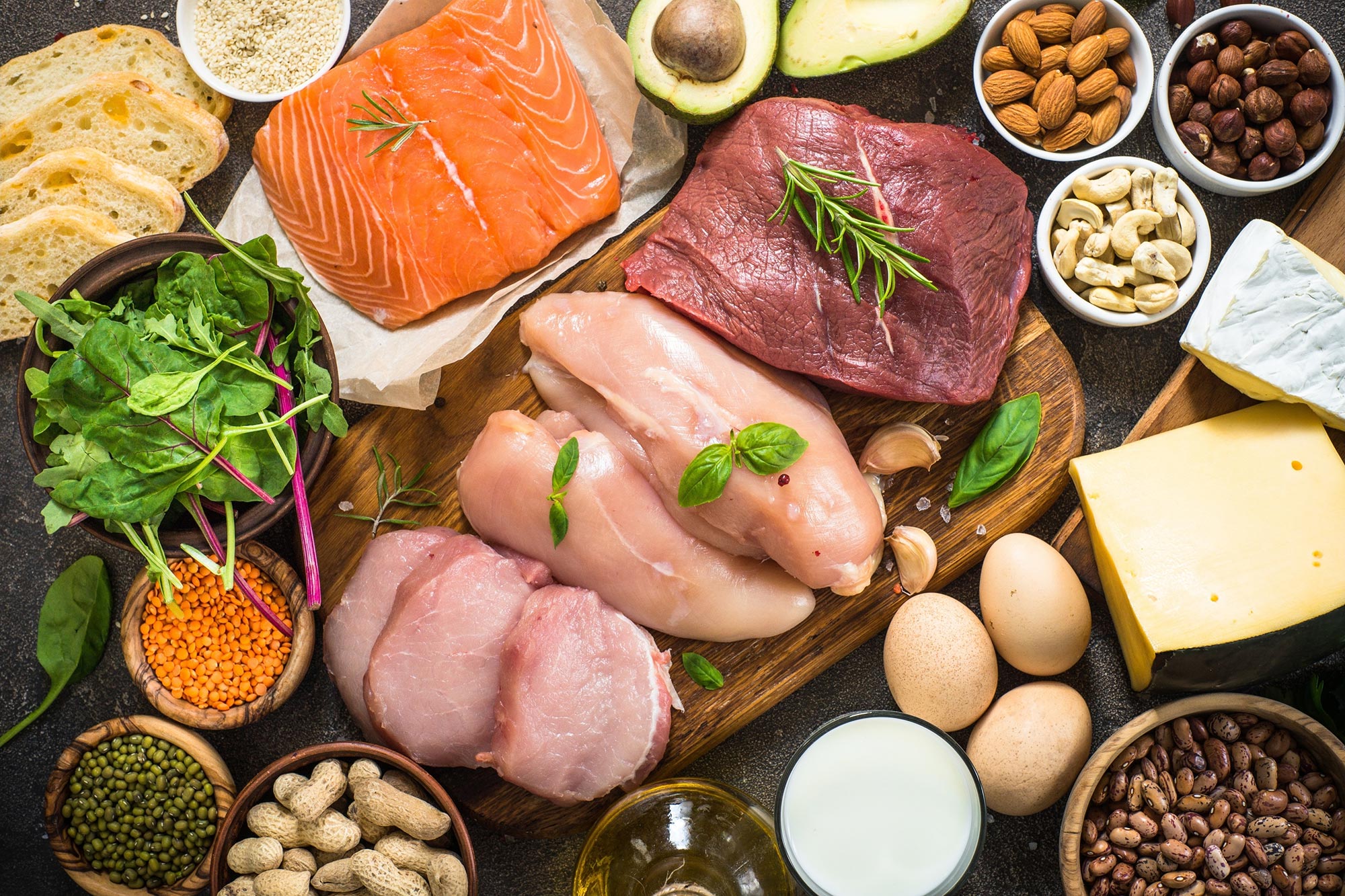
A study from UNIGE underscores the potential toxicity risks associated with high-protein diets, which may result in serious neurological disorders.
High-protein diets, often referred to as “Paleolithic diets,” are gaining popularity. Researchers at the University of Geneva (UNIGE) have explored their effects using mouse models. While these diets prove beneficial for weight control and diabetes stabilization, they carry potential risks. High levels of protein intake significantly boost ammonium production, which can overload the liver. Elevated ammonium levels may result in neurological disorders and, in extreme cases, coma. These findings, reported in the Journal of Biological Chemistry, advise caution when adopting such diets.
Type 2 diabetes is a metabolic disease that is constantly increasing. Due to a sedentary lifestyle and an excessively rich diet, the damaged pancreas struggles to regulate blood sugar levels. While current treatments help control the progression of the disease, they do not cure diabetes. Losing weight is often an essential part of the treatment.
‘‘Diets rich in animal and/or plant proteins, known as Paleolithic diets, can be used to stabilize type 2 diabetes and regulate weight,’’ explains Pierre Maechler, full professor at the Department of Cell Physiology and Metabolism at the UNIGE Faculty of Medicine, who led this research. These diets are inspired by the meat-based diets of pre-agricultural time. ‘‘But what impact do they have on the body? Are they harmless? That’s what we set out to find out.’’
Liver under Pressure
Ammonium is a normal waste product of protein breakdown, essentially eliminated in the liver by the enzyme glutamate dehydrogenase (GDH). In the event of protein overload, the GDH enzyme comes under pressure. To study the impact of high-protein diets, Pierre Maechler’s team fed healthy mice and mice lacking the GDH enzyme in their liver a diet with a protein content mimicking the so-called Paleolithic diet.
Scientists observed that in healthy mice, although excess protein increased ammonium production, the liver managed this excess due to the action of the GDH enzyme, which detoxifies ammonium before it can cause damage. ‘‘In contrast, in mice lacking the GDH enzyme, the liver is unable to eliminate the excess of toxic ammonium derived from proteins. No need to wait for weeks or months; a change of diet lasting a few days is enough to observe major consequences,’’ explains Karolina Luczkowska, a former PhD student at the Department of Cell Physiology and Metabolism at the UNIGE Faculty of Medicine, and the study’s first author.
Caution is Advised
These results suggest that in the case of dysfunctional GDH enzymes, high-protein diets may cause a harmful excess of ammonium. Ammonium not eliminated by the liver can cause severe disorders, particularly neurological ones. A blood test could assess GDH activity to avoid overloading the metabolism with proteins in people whose GDH enzyme is deficient. ‘‘It is therefore important to be well informed before following a high-protein diet,’’ concludes Pierre Maechler.
Reference: “Dietary protein load affects the energy and nitrogen balance requiring liver glutamate dehydrogenase to maintain physical activity” by Karolina Luczkowska, Yan Zhou, Angela M. Ramos-Lobo, Thierry Brun and Pierre Maechler, 13 June 2024, Journal of Biological Chemistry.
DOI: 10.1016/j.jbc.2024.107473
Never miss a breakthrough: Join the SciTechDaily newsletter.
Follow us on Google and Google News.
2 Comments
B.S. Probably generated by some ayurvedic charlatan, that thinks is fine to eat curry with high levels of plumb as colorant.
I am a medical anthropologist. Why is this kind of research done in mice? Mice have different diets than humans. They could have done this easily in humans. What’s wrong with modern medicine that it still uses animals like it has done for 200 years. It’s time to modernize modern medicine and study humans for human disease. Animal research is an anachronism and is cruel and of unknown relevance to humans. See my article, Stop vivisection: Human Research for Human Disease. https://www.academia.edu/37390709/Stop_Vivisection_Human_Research_for_Human_Disease